The biggest shake-up to GCSEs in years
The government has just confirmed that the UK curriculum from 2028 will see a significant overhaul, with changes set to be first taught from September 2028. At the heart of the reforms is a renewed focus on reading, maths and science — the core building blocks that underpin almost every subject. Alongside this, arts GCSEs will be given equal status to humanities and languages, meaning drama, music and art are no longer treated as second-tier choices. The controversial EBacc — which pushed students towards a narrow set of subjects — will also be scrapped, and the Progress 8 performance measure will be reformed.
What does this actually mean for your child?
If your child is sitting GCSEs or A-levels before 2028, today’s news doesn’t change what they’re studying right now. Current students should stay focused on the syllabuses and exams in front of them — those haven’t changed. For younger students in Year 7 or below, however, these reforms could shape the subjects on offer and how schools measure success by the time they reach GCSE age. The removal of the EBacc pressure is likely to give students more genuine freedom to choose subjects that suit their strengths and passions.
Keep calm and focus on what matters today
Curriculum announcements can feel unsettling, but the most important thing any student can do right now is concentrate on their current studies. Strong foundations in reading, maths and science will always serve students well — regardless of which version of the curriculum they’re assessed under.
Practical tip: If your child is unsure which GCSE options to choose ahead of these changes, encourage them to pick subjects they genuinely enjoy and excel in — that’s still the best recipe for success. If they need extra support building strong foundations now, finding the right tutor can make all the difference.
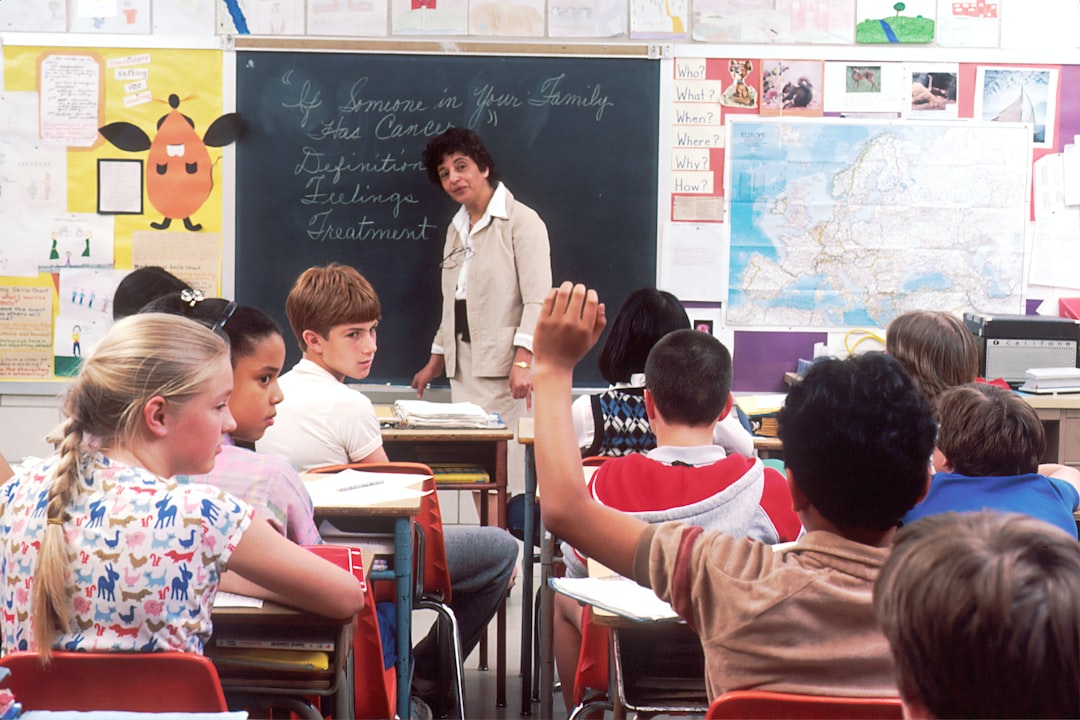
Photo by National Cancer Institute on Unsplash