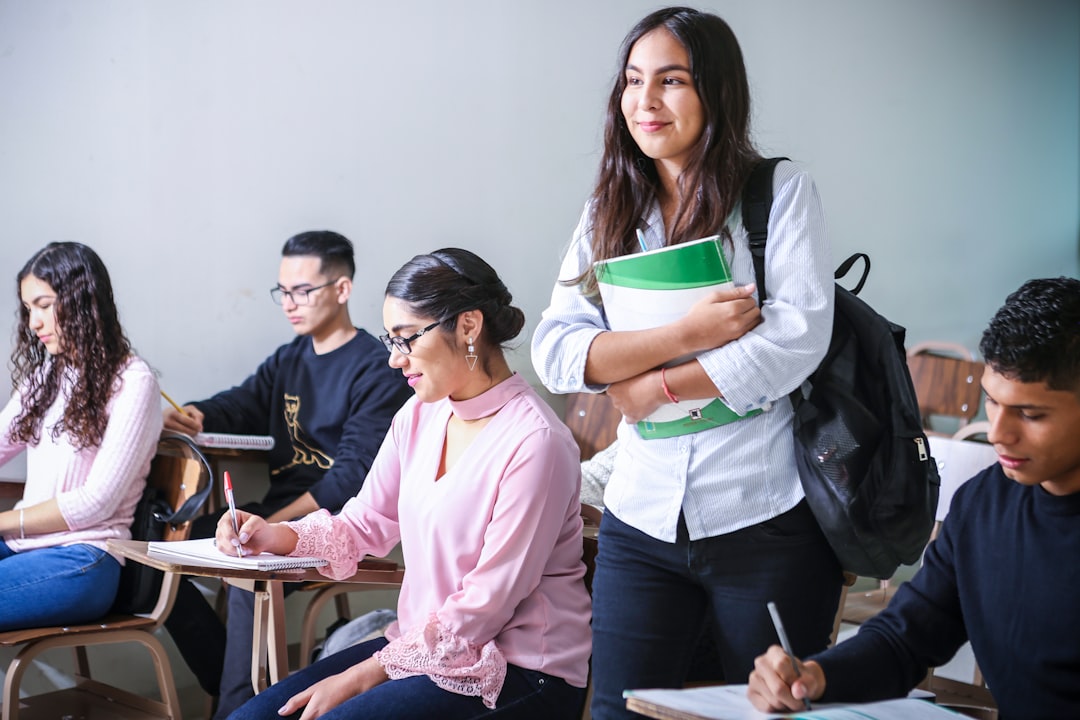
Major new school reforms to England’s school system have just been announced, and understandably, many families are asking the same question: what does this actually mean for my child? Whether your young person has additional needs or is simply working hard towards their GCSEs or A-levels, it’s worth understanding what’s changing — and why staying focused on their progress right now matters more than ever.
What the New School Reforms Are About
The government’s package centres on closing the gap between disadvantaged pupils and their peers — an ambition that affects millions of students across England. Alongside this, significant changes to Special Educational Needs and Disabilities (SEND) support are planned, which has already sparked concern from some parents who worry about how the transition will be handled. Ministers say the reforms are designed to give more children the support they deserve, but details are still emerging, and it’s natural to feel uncertain.
What This Means for GCSE and A-Level Students
For students currently in Years 10, 11, 12, or 13, the honest truth is this: the new school reforms are unlikely to change anything about your upcoming exams. Curriculums, grade boundaries, and exam structures remain the same for now. However, if your child has SEND provision in place — such as extra time or a scribe — it’s wise to speak to their school’s SENCO sooner rather than later to confirm existing support arrangements are secure during any period of change.
What Parents Can Do Right Now
Keep communication open with your child’s school, particularly if they have an EHCP or receive learning support. And remember — whatever new school reforms are introduced, consistent revision and the right guidance still make the biggest difference to results.
Practical tip: Book a free consultation with your child’s tutor or a revision specialist to make sure their exam preparation plan is solid and tailored to their individual needs. Find out how Ariston matches students to the right tutor. You can also browse all of our private tutoring services or keep up with the latest changes in our Education & Tutoring News section.
Photo by javier trueba on Unsplash