Online Learning Plarforms
Educational Apps
Recommended Reading Lists
Online Learning Platforms: Your Digital Classrooms for Independent Study
This section features a hand-picked selection of top-tier online learning platforms, ranging from academic powerhouses to skill-focused hubs. These platforms offer structured courses, often with video lectures, exercises, and assessments, designed to support your self-paced learning journey and expand your academic and professional horizons.

Coursera
- Description: Coursera partners with over 325 leading universities and companies worldwide (including Yale, Stanford, Google, IBM) to offer a vast catalogue of online courses, Specializations, Professional Certificates, and even full online degrees. It’s renowned for its high-quality, university-level content.
- Key Features:
- Diverse Course Catalog: Covers a wide range of subjects, from data science and business to arts and humanities.
- Accredited Content: Many courses and programs are developed and taught by professors from top global universities.
- Flexible Learning: Self-paced courses allow you to learn on your schedule.
- Certificates & Degrees: Offers verified course certificates, professional certificates (e.g., Google IT Support Professional Certificate), Specializations (collections of related courses), and accredited online degrees.
- Interactive Learning: Includes quizzes, peer-graded assignments, and discussion forums.
- Mobile Apps: Learn on the go with robust mobile applications.
- Pricing Model:
- Free Courses: Thousands of courses allow free “audit” access, meaning you can view lectures and course materials.
- Paid Certificates/Specializations: Prices vary, often per course or as part of a subscription (Coursera Plus offers unlimited access to many courses for a monthly fee).
- Degree Programs: Significant investment, comparable to traditional university programs.
- Direct Link: https://www.coursera.org/
- Why it’s “Hand-Picked” / Valuable: Ideal for those seeking high-quality, academically rigorous content and formal credentials from reputable institutions. Excellent for both deep dives into subjects and professional upskilling.
edX
- Description: Founded by Harvard and MIT, edX is a non-profit online learning platform offering university-level courses from over 160 top global institutions. It’s dedicated to making high-quality education accessible to everyone.
- Key Features:
- University-Backed Content: Courses developed by leading universities like Harvard, MIT, Berkeley, and more.
- MicroMasters & Professional Certificates: Offers shorter, career-focused programs that can often count towards degree credit.
- Global Partnerships: Collaborates with institutions and organizations worldwide.
- Self-Paced & Instructor-Led Options: Provides flexibility, though some programs have set start/end dates.
- Verified Certificates: Available for a fee upon completion of courses.
- Pricing Model:
- Free Audit Track: Many courses offer a free track to access course materials, but without graded assignments or a certificate.
- Verified Track: Paid option for full access, graded assignments, and a verified certificate. Prices vary per course.
- Program/Degree Costs: Vary significantly based on the program.
- Direct Link: https://www.edx.org/
- Why it’s “Hand-Picked” / Valuable: Excellent for formal education, foundational knowledge, and earning credentials from world-class universities. Particularly strong in STEM fields, but offers a broad range of subjects.

Udemy
- Description: Udemy is a massive online learning marketplace that hosts thousands of courses created by individual instructors. It offers an incredibly diverse range of topics, from coding and marketing to hobbies and personal development.
- Key Features:
- Vast Course Library: One of the largest selections of courses, covering virtually any topic imaginable.
- Self-Paced Learning: All courses are self-paced, allowing you to learn at your convenience.
- Lifetime Access: Once purchased, you typically have lifetime access to the course content.
- Affordability: Frequent sales make courses highly affordable.
- User Reviews: Extensive user reviews and ratings help in selecting quality courses.
- Diverse Teaching Styles: Instructors bring a wide variety of approaches and expertise.
- Pricing Model:
- Per Course Purchase: Individual courses are bought outright. Prices range widely, but significant discounts are very common.
- Udemy Business: Subscription model for organizations.
- Direct Link: https://www.udemy.com/
- Why it’s “Hand-Picked” / Valuable: Best for practical skills, hobby learning, and exploring niche topics. Its affordability and lifetime access make it a great option for building specific competencies quickly.

LinkedIn Learning (formerly Lynda.com)
- Description: LinkedIn Learning focuses on professional development, business, technology, and creative skills. Its integration with LinkedIn profiles makes it particularly useful for career advancement.
- Key Features:
- Career-Focused Content: Courses designed to build in-demand skills for the workplace.
- Industry Experts: Taught by experienced professionals and industry leaders.
- Integration with LinkedIn: Showcase completed courses directly on your LinkedIn profile.
- Personalized Recommendations: Suggests courses based on your skills, job role, and career goals.
- Short, Structured Courses: Often broken down into digestible modules.
- Offline Viewing: Download courses for learning without an internet connection.
- Pricing Model:
- Subscription-Based: Typically offered as a monthly or annual subscription. Many LinkedIn Premium users have it included.
- Free Trial: Usually offers a free trial period.
- Direct Link: https://www.linkedin.com/learning/
- Why it’s “Hand-Picked” / Valuable: Excellent for professionals looking to upskill, reskill, or stay current with industry trends. The direct link to your professional profile is a significant advantage for career-minded individuals.
Khan Academy
- Description: A non-profit organization providing free, world-class education for anyone, anywhere. Khan Academy is particularly strong in K-12 subjects, mathematics, science, and test preparation, but also offers content for adult learners.
- Key Features:
- Completely Free: All resources are available at no cost.
- Comprehensive Curriculum: Covers subjects like math (from early learning to calculus), science (biology, physics, chemistry), humanities (history, art history), economics, and computer programming.
- Adaptive Learning: Personalised learning dashboards allow students to learn at their own pace.
- Practice Exercises & Quizzes: Reinforce learning with interactive problems.
- Test Prep: Resources for SAT, MCAT, LSAT, and other standardised tests.
- Mission-Driven: Focuses on democratising education globally.
- Pricing Model:
- Free: Funded by donations.
- Direct Link: https://www.khanacademy.org/
- Why it’s “Hand-Picked” / Valuable: The gold standard for free, high-quality foundational learning. Perfect for filling knowledge gaps, revisiting core subjects, or getting an introductory understanding of complex topics without any financial barrier.

FutureLearn
- Description: A UK-based digital education platform that partners with leading universities and cultural institutions worldwide to offer a diverse range of online courses, ExpertTracks, Microcredentials, and online degrees. It emphasizes social learning.
- Key Features:
- University & Institution Partnerships: Courses from organisations like King’s College London, British Council, and more.
- Social Learning: Strong emphasis on discussion forums and peer interaction.
- Wide Subject Range: Covers humanities, health, creative arts, business, tech, and more.
- ExpertTracks & Microcredentials: Shorter programs leading to specific skills or qualifications.
- Flexible Learning: Many courses are self-paced within a structured timeframe.
- Free & Paid Options: Many courses offer a free introductory period.
- Pricing Model:
- Free Limited Access: Many courses allow free access to course content for a limited period.
- Upgrades: Paid options for unlimited access, graded assessments, and a certificate of completion.
- Subscription (Unlimited): Provides access to many courses for a monthly/annual fee.
- ExpertTracks/Microcredentials/Degrees: Vary in price.
- Direct Link: https://www.futurelearn.com/
- Why it’s “Hand-Picked” / Valuable: Offers a good blend of academic quality and a supportive community learning environment, especially appealing to those who enjoy interactive discussions and learning alongside others.
Educational Apps: Learning in Your Pocket
These carefully selected educational apps are designed to complement your independent study, offering bite-sized lessons, interactive exercises, and powerful tools for organisation and skill development. Perfect for quick refreshers, deep dives, or just making learning a daily habit.

Duolingo
- Description: The world’s most popular language learning app, Duolingo makes acquiring new languages fun and addictive through gamified lessons, streaks, and leaderboards. It focuses on practicing speaking, reading, listening, and writing.
- Key Features:
- Gamified Learning: Progress through skill trees, earn points, and compete with friends.
- Bite-Sized Lessons: Short, digestible lessons perfect for learning on the go.
- Wide Language Selection: Offers courses in over 40 languages, from Spanish and French to Japanese and High Valyrian.
- Pronunciation Practice: Utilizes speech recognition technology.
- Adaptive Learning: Adjusts to your learning pace and areas needing improvement.
- New Subjects: Recently expanded to include Math, Music, and Chess.
- Platform Availability: iOS, Android, Web
- Pricing Model:
- Free: Fully functional with ads.
- Super Duolingo (Premium): Ad-free experience, unlimited hearts, progress quizzes, and other perks (subscription-based).
- Direct Link:
- Why it’s “Hand-Picked” / Valuable: Unbeatable for making language learning accessible, engaging, and consistent. Its free tier is incredibly comprehensive, and the gamification keeps motivation high.

Anki
- Description: Anki is a powerful flashcard application that uses spaced repetition, an algorithm designed to optimise memorisation by showing you information at increasing intervals just before you’re about to forget it. It’s highly customisable and effective for dense, fact-based learning.
- Key Features:
- Spaced Repetition System (SRS): Maximises long-term retention with minimal effort.
- Customisable Flashcards: Create your own cards with text, images, audio, and LaTeX.
- Rich Media Support: Embed audio, video, and images directly into your cards.
- Add-ons: A vast ecosystem of community-developed add-ons to extend functionality.
- Sync Across Devices: Keep your study progress synchronised.
- Platform Availability: Windows, macOS, Linux, iOS (AnkiMobile, paid), Android (AnkiDroid, free), Web (AnkiWeb, free)
- Pricing Model:
- Free: Desktop applications (Windows, macOS, Linux) and Android app (AnkiDroid).
- Paid: iOS app (AnkiMobile) is a one-time purchase.
- Free Web Sync: AnkiWeb allows free syncing across all platforms.
- Direct Link:
- Anki Website (for desktop & AnkiWeb)
- Search “AnkiMobile” in Apple App Store for iOS
- Search “AnkiDroid” in Google Play Store for Android
- Why it’s “Hand-Picked” / Valuable: The ultimate tool for memorisation of facts, vocabulary, medical terms, historical dates, or any information that requires robust recall. Its SRS is scientifically proven to be highly effective.

Notion
- Description: More than just a note-taking app, Notion is an all-in-one workspace that combines notes, databases, wikis, project management tools, and more. It’s incredibly flexible and can be tailored to suit almost any organisational need for independent study.
- Key Features:
- Highly Versatile: Create detailed notes, build study planners, manage projects, track habits, or even build a personal knowledge wiki.
- Database Functionality: Organise information with tables, calendars, kanban boards, and galleries.
- Collaboration: Share pages and collaborate with study groups (if applicable).
- Templates: A rich library of community-created templates for students and learners.
- Cross-Platform Sync: Seamlessly syncs across all your devices.
- Platform Availability: iOS, Android, Windows, macOS, Web
- Pricing Model:
- Free: Generous free tier suitable for most individual learners.
- Personal Pro/Plus: Paid tiers for advanced features, larger file uploads, and more guests.
- Direct Link: https://www.notion.so/
- Why it’s “Hand-Picked” / Valuable: Empowers learners to build a custom-tailored system for organising their entire academic life – from lecture notes and research to assignment tracking and personal study schedules. It’s a productivity powerhouse.
Photomath
- Description: Photomath is an AI-powered educational app that helps students understand and solve math problems by simply scanning them with their phone’s camera. It provides step-by-step explanations, making it a powerful tool for self-correction and deeper understanding.
- Key Features:
- Instant Solutions: Scan handwritten or printed math problems to get immediate answers.
- Step-by-Step Explanations: Breaks down complex problems into understandable steps.
- Multiple Solution Methods: Often shows different ways to solve a problem.
- Graphing Calculator: Visualise functions and solutions.
- Covers Various Math Levels: From basic arithmetic to calculus.
- Platform Availability: iOS, Android
- Pricing Model:
- Free: Basic scanning and step-by-step solutions.
- Photomath Plus (Premium): Offers more detailed explanations, animated tutorials, and deeper insights (subscription-based).
- Direct Link:
- Why it’s “Hand-Picked” / Valuable: An incredible aid for independent math study. It helps identify where you’re going wrong, provides clarity on complex steps, and builds confidence by allowing you to check your work and understand the process.

Forest
- Description: Forest is a unique productivity app that helps you stay focused by gamifying the act of putting your phone down. When you want to focus, you “plant” a virtual tree. If you leave the app before the timer runs out, your tree withers. If you stay focused, it grows into a beautiful tree in your virtual forest.
- Key Features:
- Pomodoro Technique Integration: Can be used with timed focus sessions.
- Gamified Focus: Rewards sustained concentration.
- Real Trees Planted: Partners with a real tree-planting organisation (Trees for the Future) to plant actual trees based on virtual coins earned.
- Whitelist Apps: Allows you to select essential apps that won’t kill your tree.
- Detailed Statistics: Track your focus time and progress.
- Platform Availability: iOS, Android, Browser Extension
- Pricing Model:
- Free: Basic functionality (often with in-app purchases for the Android version).
- Paid: iOS app is typically a one-time purchase. Premium features (e.g., real tree planting, more sounds) often require a premium subscription or in-app purchases.
- Direct Link:
- Why it’s “Hand-Picked” / Valuable: Excellent for combating digital distractions and building consistent study habits. It subtly encourages mindfulness and provides a tangible (and even real-world positive) reward for staying focused.
Quizlet
- Description: Quizlet is a popular study tool that provides engaging ways to learn and memorise information through flashcards, practice tests, and games. It’s widely used for subjects requiring heavy memorisation, from vocabulary and foreign languages to historical facts and scientific terms.
- Key Features:
- Flashcards: Create your own or use millions of pre-made sets.
- Study Modes: Includes “Learn” (adaptive practice), “Flashcards,” “Write,” “Spell,” and “Test” modes.
- Games: “Match” and “Gravity” games make studying interactive.
- Audio Pronunciation: Available for many languages and terms.
- Offline Access: Study even without an internet connection.
- Platform Availability: iOS, Android, Web
- Pricing Model:
- Free: Access to basic flashcard creation and study modes.
- Quizlet Plus (Premium): Ad-free, offline access, advanced content creation tools, custom study paths, and more (subscription-based).
- Direct Link:
- Why it’s “Hand-Picked” / Valuable: A versatile tool for active recall and memorisation. Its various study modes cater to different learning styles, and the vast library of existing study sets saves time for many subjects.
Reputable External Websites: Your Gateway to Deeper Knowledge
This section highlights external websites that are highly regarded for their accurate, authoritative, and often peer-reviewed content. These resources are indispensable for conducting research, verifying information, exploring niche topics, and staying current in various fields.

Google Scholar
- Description: Google Scholar is a free web search engine that indexes scholarly literature across a broad range of disciplines and sources. It’s designed specifically for finding academic articles, theses, books, abstracts, and court opinions from academic publishers, professional societies, online repositories, universities, and other web sites.
- Key Features:
- Comprehensive Academic Search: Searches across millions of scholarly articles and documents.
- Citation Tracking: Shows who has cited a particular article, helping you gauge its impact and find related research.
- “Cited By” Feature: Allows you to trace the influence of a paper and find newer research building upon it.
- Links to Full Text: Often provides links to full-text PDFs or external websites where the article can be accessed (sometimes requiring institutional access).
- Alerts: Set up alerts for new research in your specific area of interest.
- Why it’s “Reputable”: It indexes content primarily from academic publishers and institutions, and its ranking algorithm considers the author’s reputation, where the article was published, and how often it has been cited by other scholars. It’s a first stop for academic research.
- Direct Link: https://scholar.google.com/

JSTOR
- Description: JSTOR (Journal Storage) is a digital library that provides access to more than 12 million academic journal articles, books, and primary sources in 75 disciplines. While it is primarily a subscription-based service, many public libraries and universities provide free access to their patrons. They also offer some free content and an “Arts & Sciences Daily” feature.
- Key Features:
- Vast Archival Content: Excellent for historical research and finding classic, influential papers.
- Multidisciplinary Coverage: Strong in humanities, social sciences, and many scientific fields.
- Peer-Reviewed: All content is from peer-reviewed journals, ensuring high academic standards.
- Primary Sources: Includes collections of historical documents, images, and other primary materials.
- Why it’s “Reputable”: It is a well-established and trusted academic database containing only scholarly, peer-reviewed content. Its focus on archival material makes it invaluable for in-depth, historically-grounded research.
- Direct Link: https://www.jstor.org/
- Note: Access to full content often requires institutional login or subscription, though some free access options exist.
PubMed Central (PMC) / PubMed
- Description: PubMed Central (PMC) is a free full-text archive of biomedical and life sciences journal literature at the U.S. National Institutes of Health’s National Library of Medicine (NIH/NLM). PubMed is a related, free search engine that primarily accesses the MEDLINE database of references and abstracts on life sciences and biomedical topics.
Key Features:
- Biomedical Focus: The go-to resource for research in medicine, biology, health sciences, and related fields.
- Vast Database: Contains millions of citations and a growing number of full-text articles.
- Peer-Reviewed Content: Primarily indexes peer-reviewed scientific journals.
- Open Access: PMC specifically hosts free full-text articles.
- Why it’s “Reputable”: Maintained by the U.S. National Library of Medicine, it is an authoritative source for biomedical information, widely used by researchers, healthcare professionals, and students.
- Direct Link:

MIT OpenCourseWare (OCW)
- Description: MIT OpenCourseWare is a free and open online publication of virtually all MIT course content. It provides teaching materials (lecture notes, assignments, exams, video lectures) from undergraduate and graduate-level courses, allowing learners worldwide to access a world-class education without enrolment.
- Key Features:
- Full MIT Course Materials: Access actual course content used at MIT.
- Wide Subject Range: Particularly strong in STEM (Science, Technology, Engineering, Math) fields, but covers many others.
- No Enrollment/Fees: Completely free and open to anyone.
- Self-Paced: Learn at your own speed with authentic university-level curricula.
- Full MIT Course Materials: Access actual course content used at MIT.
- Why it’s “Reputable”: Direct from one of the world’s leading universities, the content is of the highest academic standard and reflects the actual curriculum taught at MIT.
- Direct Link: https://ocw.mit.edu/
The Library of Congress (LOC)
- Description: The Library of Congress is the largest library in the world, and its website offers a vast collection of digital resources, including books, films, videos, audio recordings, photographs, maps, and other important primary source materials. It’s an unparalleled resource for historical research, cultural studies, and primary document analysis.
- Key Features:
- Extensive Digital Collections: Millions of digitised items across diverse formats.
- Primary Source Material: Essential for historical, social, and cultural research.
- Government Documents: Access to official U.S. government publications and legislative information.
- Themed Guides: Curated collections and guides on various topics.
- Why it’s “Reputable”: As the national library of the United States, its mission is to preserve and provide access to a universal collection of knowledge, ensuring its content is authoritative and historically significant.
- Direct Link: https://www.loc.gov/
OpenStax
- Description: OpenStax is a non-profit educational initiative that provides free, peer-reviewed, openly licensed textbooks. These textbooks are widely adopted by colleges and universities and cover core subjects, primarily at the introductory college level. They are available in both digital and print formats.
- Key Features:
- Free Textbooks: High-quality, free digital textbooks across various subjects.
- Peer-Reviewed: Content undergoes rigorous peer review to ensure accuracy and quality.
- Openly Licensed: Freely available for use, adaptation, and distribution.
- Comprehensive Coverage: Designed to meet the scope and sequence requirements for typical college courses.
- Instructor Resources: Often include ancillary materials like solutions manuals, test banks, and slides.
- Why it’s “Reputable”: OpenStax is part of Rice University, and its textbooks are written and reviewed by subject matter experts and adopted by thousands of educational institutions, ensuring their academic credibility.
- Direct Link: https://openstax.org/
Internet Archive
- Description: The Internet Archive is a non-profit digital library that provides free public access to collections of digitized materials, including websites, music, moving images, and millions of books. It’s most famous for its “Wayback Machine,” which archives web pages over time.
- Key Features:
- Wayback Machine: View past versions of websites, invaluable for research on digital history or broken links.
- Digitized Books: Access millions of scanned books, many out of copyright.
- Audio/Video Collections: Vast archives of public domain films, music, and historical recordings.
- Software Archive: Collections of vintage software and games.
- Wayback Machine: View past versions of websites, invaluable for research on digital history or broken links.
- Why it’s “Reputable”: As a non-profit aiming to build a digital library of all human knowledge, it meticulously archives vast amounts of digital content, providing a reliable record of online history and public domain materials.
- Direct Link: https://archive.org/
Recommended Reading Lists: Curated Pathways for Deeper Learning
These reading lists are designed to guide your independent study through carefully selected books, articles, and other texts. They provide structured pathways for exploring a subject in depth, from foundational concepts to more advanced topics, helping you build comprehensive knowledge.
General Independent Learning & Critical Thinking
These lists focus on the process of learning, critical thinking, and effective study, which are valuable regardless of your chosen subject.
How to Use These Reading Lists:
- Start with the “General Independent Learning” books to hone your learning strategies before diving into specific subjects.
- Don’t feel obliged to read every book cover-to-cover. Use tables of contents, introductions, and indexes to focus on sections most relevant to your current learning goals.
- Take notes! Summarise key ideas, jot down questions, and record your own reflections. This active engagement significantly boosts retention.
- Combine with other resources. Use these books in conjunction with online courses, educational apps, and external websites to create a multi-faceted learning experience.
- Revisit and reflect. Learning is iterative. Re-reading, even just sections, after you’ve gained more knowledge can reveal new insights.
Developing an Intellectual Life & Effective Reading:
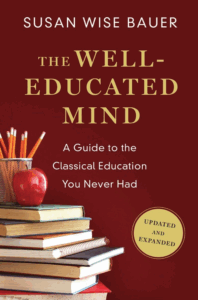
“The Well-Educated Mind: A Guide to the Classical Education You Never Had” by Susan Wise Bauer
Synopsis: This book offers a comprehensive guide to self-education through reading the “Great Books.” It teaches how to read different genres (history, fiction, poetry, philosophy, autobiography) with understanding and critical analysis, using the “trivium” approach (grammar, logic, rhetoric).
Why Recommended: Provides a foundational methodology for engaging deeply with texts and building a rigorous self-education plan. Essential for cultivating critical reading skills.
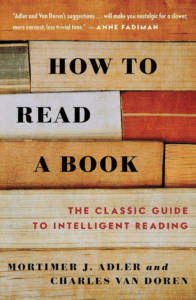
“How to Read a Book: The Classic Guide to Intelligent Reading” by Mortimer J. Adler and Charles Van Doren
Synopsis: A timeless guide on active reading, distinguishing between different levels of reading (elementary, inspectional, analytical, syntopical) and offering techniques to get the most out of any book, regardless of its difficulty.
Why Recommended: Teaches you how to learn from books, empowering you to tackle complex subjects and extract maximum value from your reading.
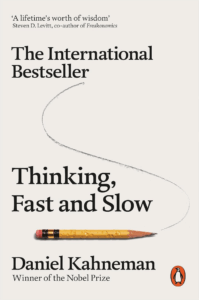
“Thinking, Fast and Slow” by Daniel Kahneman
Synopsis: A landmark work in behavioral economics and psychology, exploring the two systems that drive our thinking: System 1 (fast, intuitive) and System 2 (slow, deliberate). It reveals biases and heuristics that influence our judgment.
Why Recommended: Crucial for understanding how our minds work, improving decision-making, and recognising cognitive biases in ourselves and others, enhancing critical thinking.
Building Habits & Productivity for Learning:
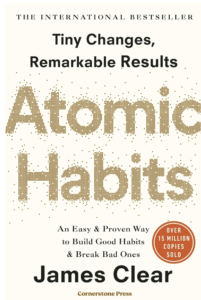
“Atomic Habits: An Easy & Proven Way to Build Good Habits & Break Bad Ones” by James Clear
Synopsis: This bestseller outlines a practical, actionable framework for improving every day by focusing on small, incremental changes (atomic habits). It covers the science of habit formation and provides strategies for building effective systems.
Why Recommended: Indispensable for establishing consistent study routines, overcoming procrastination, and optimising your learning environment to support long-term progress.
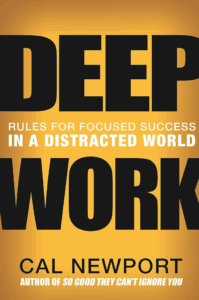
“Deep Work: Rules for Focused Success in a Distracted World” by Cal Newport
Synopsis: Newport argues that “deep work”—the ability to focus without distraction on a cognitively demanding task—is becoming increasingly rare and valuable. He provides strategies to cultivate this skill and produce high-quality work.
Why Recommended: Essential for independent learners who need to concentrate for extended periods on complex material, away from the constant distractions of the digital age.
Introductory Subject-Specific Reading Lists (Examples)
These lists provide a balanced entry point into broad academic disciplines. Each could be expanded into a much larger list depending on your specific interest within the subject.
Sophie’s World: A History of Philosophy” by Jostein Gaarder
Synopsis: A captivating novel that also serves as a comprehensive introduction to Western philosophy, from the Pre-Socratics to the present day, presented through a mysterious correspondence.
Why Recommended: An engaging and accessible entry point that makes complex philosophical ideas digestible and memorable.

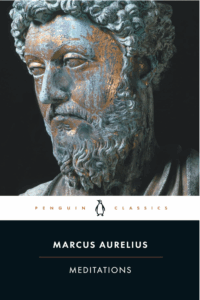
Meditations” by Marcus Aurelius
Synopsis: A series of personal writings by the Roman Emperor Marcus Aurelius, offering insights into Stoic philosophy and practical wisdom for living a virtuous and resilient life.
Why Recommended: Provides direct engagement with a foundational philosophical text that is surprisingly relevant to modern life and independent thought.
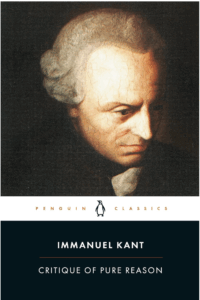
“Critique of Pure Reason” by Immanuel Kant (or a simplified introduction to Kant)
Synopsis: (For the ambitious or after an introduction): Kant’s monumental work on epistemology and metaphysics, exploring the limits and structure of human reason. A challenging but pivotal text in Western thought.
Why Recommended: For those ready to delve deeper into the bedrock of modern philosophy, understanding the arguments that shaped subsequent philosophical discourse.
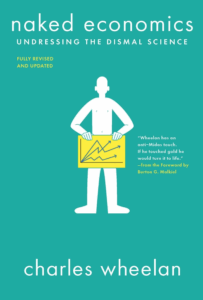
“Naked Economics: Undressing the Dismal Science” by Charles Wheelan
Synopsis: A highly engaging and accessible introduction to the core principles of economics, explaining how economic theories apply to real-world issues without using graphs or equations.
Why Recommended: Perfect for beginners, demystifying economics and showing its relevance to everyday life.
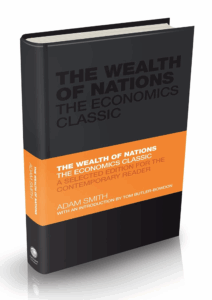
“The Wealth of Nations” by Adam Smith (or key excerpts/summaries)
Synopsis: Smith’s classic treatise on political economy, introducing concepts like the invisible hand, division of labor, and the nature of economic growth.
Why Recommended: To understand the historical foundations of modern economic thought and engage with the original arguments that shaped capitalism.
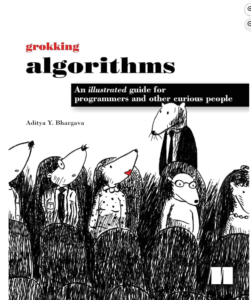
“Grokking Algorithms: An Illustrated Guide for Programmers and Other Curious People” by Aditya Bhargava
Synopsis: An incredibly intuitive and visual introduction to fundamental algorithms and data structures, making complex computer science concepts accessible to beginners.
Why Recommended: Excellent for building a conceptual understanding of how code works and the logic behind common programming tasks, without getting bogged down in syntax.
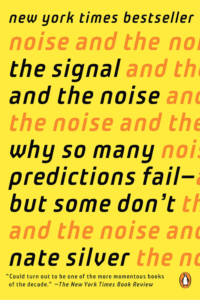
The Signal and the Noise: Why So Many Predictions Fail—but Some Don’t by Nate Silver
Synopsis: Explores the art and science of prediction across various fields, from sports to economics, emphasizing the importance of probability, uncertainty, and distinguishing true signals from noise in data.
Why Recommended: Cultivates a critical mindset towards data and predictions, essential for anyone interested in data science, statistics, or evidence-based reasoning.